
The United States, European Union, and African Union each support Somalia’s military to help combat Al-Shabaab. For almost 20 years, the internationally recognized Somali government has battled the Al Qaeda affiliate.
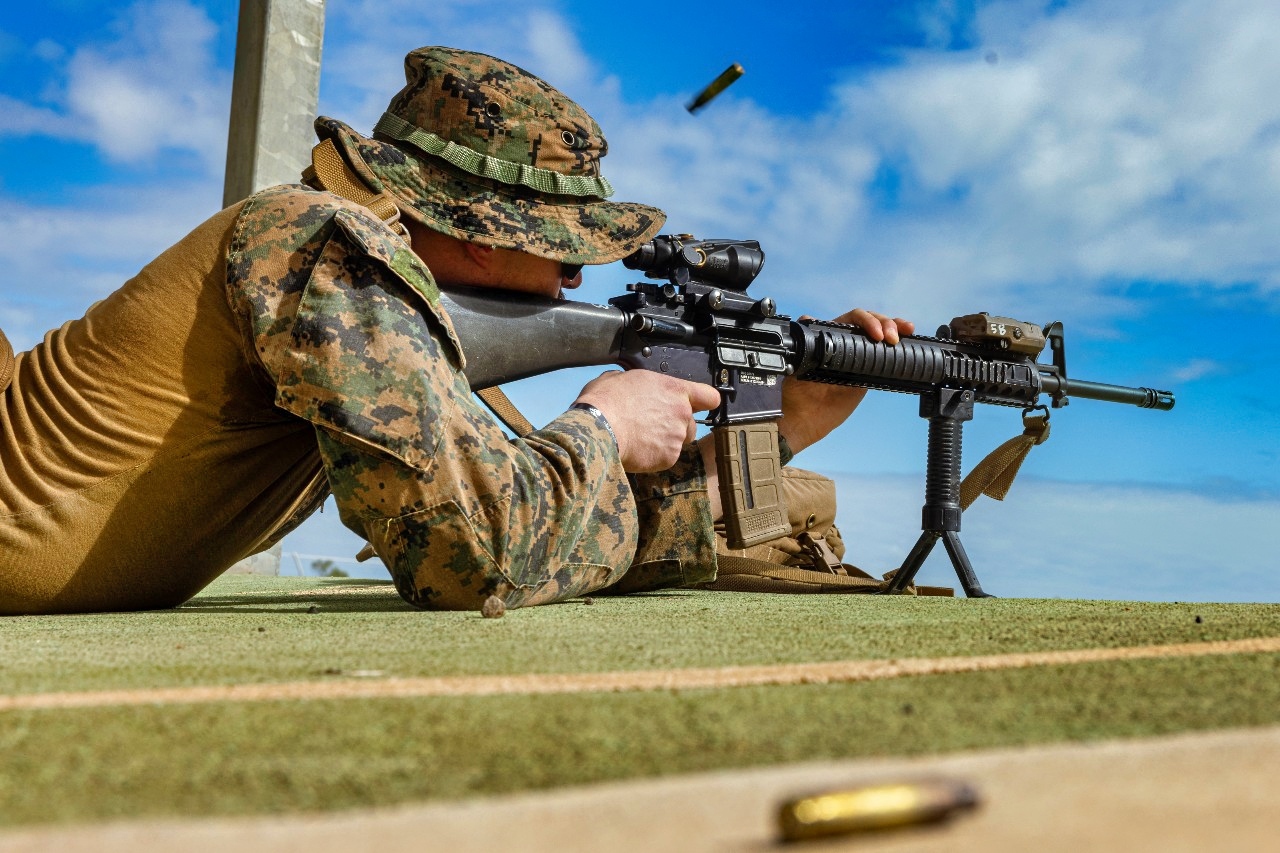
The United States spends on average $100 million annually on training and equipment to the Somali National Army, and also helps train its elite Danab Brigade.
This figure neither includes the costs of supportive military actions, including U.S. deployments, air and drone strikes in support of its Somali partners nor the almost $20 billion the U.S. government has dumped into development assistance and support for the Somali government.
The European Union, meanwhile, provides financial and logistical support to the African Union Transition Mission in Somalia and runs capacity building programs for the Somali National Army. Since 2007, Brussels has dumped more than $3 billion into its efforts.
The African Union, meanwhile, gives Somalia armored vehicles, helmets, and vests.
A Bad Investment
Such support not only wastes billions of dollars, but it actively undermines security in the Horn of Africa.
Hassan Sheikh Mohamud, president between 2012 and 2017 and again since 2022, is either incompetent or malign. Transparency International consistently ranks Somalia as the world’s second most corrupt country, after South Sudan.
This should be a red flag for any donor, but war compounds the problem as Mogadishu diverts its weaponry, troops, and funds away from the campaign against Al-Shabaab.
Hassan Sheikh Mohamud no longer tries to hide his cynicism. On July 6, 2025, Somalia’s government approved arms deliveries to Laascanood, a Somaliland town that China-backed Somali forces occupied in an effort to undermine Taiwan-friendly Somaliland.
The following day, Al Shabaab attacked towns in Somalia’s central Hiraan region. Somali troops abandoned the area in the face of the Al Shabaab offensive, allowing Al Shabaab to expand the safe-haven it is carving out within Somalia.
In effect, the West and the international community now subsidize Mogadishu’s fantasies and Hassan Sheikh Mohamud’s petty political agenda while allowing Al Shabaab to expand and flourish.
Somalia is hardly the only country to take advantage of Western largesse in the name of counterterrorism. Egypt receives billions of dollars to help it defeat militants in the Sinai, but consistently fails in its mission. Egypt’s top generals understand they fail to lose such aid should they actually win.
Pakistan puts that dynamic in hyperdrive, collecting security assistance while actively subsidizing the terrorists it claims to fight.
Neither President Donald Trump nor Secretary of State Marco Rubio are afraid to break diplomatic china. Rather than repeat the failures of Presidents Barack Obama and Joe Biden and Secretaries Hillary Clinton, John Kerry, and Antony Blinken, Trump and Rubio should stop throwing good money after bad and recognize that Hassan Sheikh Mohamud’s corruption and cynicism post as much of a threat to peace and stability as Al Shabaab.
About the Author: Dr. Michael Rubin
Michael Rubin is a senior fellow at the American Enterprise Institute and director of policy analysis at the Middle East Forum. The opinions and views expressed are his own. A former Pentagon official, Dr. Rubin has lived in post-revolution Iran, Yemen, and both pre- and postwar Iraq. He also spent time with the Taliban before 9/11. For more than a decade, he taught classes at sea about the Horn of Africa and Middle East conflicts, culture, and terrorism, to deployed US Navy and Marine units. The views expressed are the author’s own.